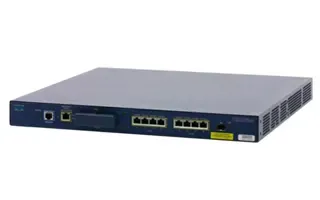
 Network data transmission refers to the process of sending and receiving information between two or more devices connected to a network. It is a critical aspect of modern-day networking, and it enables devices to communicate with each other over long distances. There are several ways in which data can be transmitted over a network, including broadcast, unicast, and multicast.
Each method has its own advantages and disadvantages, and the choice of transmission method depends on the specific requirements of the network. For example, broadcast transmission is useful for sending messages that need to be received by every device on the network, while unicast transmission is useful for sending messages between specific devices.
Broadcast
Broadcast transmission is a network communication technique in which data packets are sent to all devices on the network. In this method, the sender sends a single message, which is then received and processed by every device on the network. This method is often used for sending important notifications or messages that need to be received by every device on the network. For example, when a device joins or leaves a network, the network administrator may send a broadcast message to inform all devices on the network of the change.
However, broadcast transmission can be inefficient because all devices on the network receive the message, even if the message is not intended for them. This can lead to a significant amount of network traffic, which can slow down the network and reduce its performance.
Unicast
Unicast transmission is a network communication technique in which data packets are sent from one device to a specific destination device. In this method, the sender sends a message to a single recipient, and the message is only received and processed by the intended recipient. This method is often used for sending private or confidential messages between devices on a network. For example, when a user sends an email to another user on the same network, the email is sent using unicast transmission.
Unicast transmission is much more efficient than broadcast transmission because only the intended recipient receives the message. This reduces the amount of network traffic and improves the network's performance. However, unicast transmission can be slower than broadcast transmission because the sender has to address each packet to the intended recipient.
Multicast
Multicast transmission is a network communication technique in which data packets are sent from one device to a group of devices on the network. In this method, the sender sends a message to a multicast group, and the message is received and processed by all devices that are members of the group. This method is often used for sending messages to a specific group of users or devices on a network. For example, when a user wants to send a message to all devices on a specific network segment, multicast transmission can be used.
Multicast transmission is more efficient than unicast transmission because it enables the sender to send a message to multiple recipients simultaneously. This reduces the amount of network traffic and improves the network's performance. However, multicast transmission requires support from the network infrastructure, and not all network devices or protocols support multicast transmission.
Summary
In summary, network data transmission is a critical aspect of modern-day networking, and it enables devices to communicate with each other over long distances. There are several ways in which data can be transmitted over a network, including broadcast, unicast, and multicast. Each of these methods has its advantages and disadvantages, and the choice of transmission method depends on the specific requirements of the network.
Enterprise-Class Cloud & Network Monitoring

Bandwidth Monitor

Wi-Fi Key Generator
Network and Server Monitoring

Follow Firewall.cx
Recommended Downloads
Cisco Password Crack
Decrypt Cisco Type-7 Passwords on the fly!
Free PatchManager

Firewall Analyzer